Joanne
2/23/2026 3:58:35 PM
4 mins read
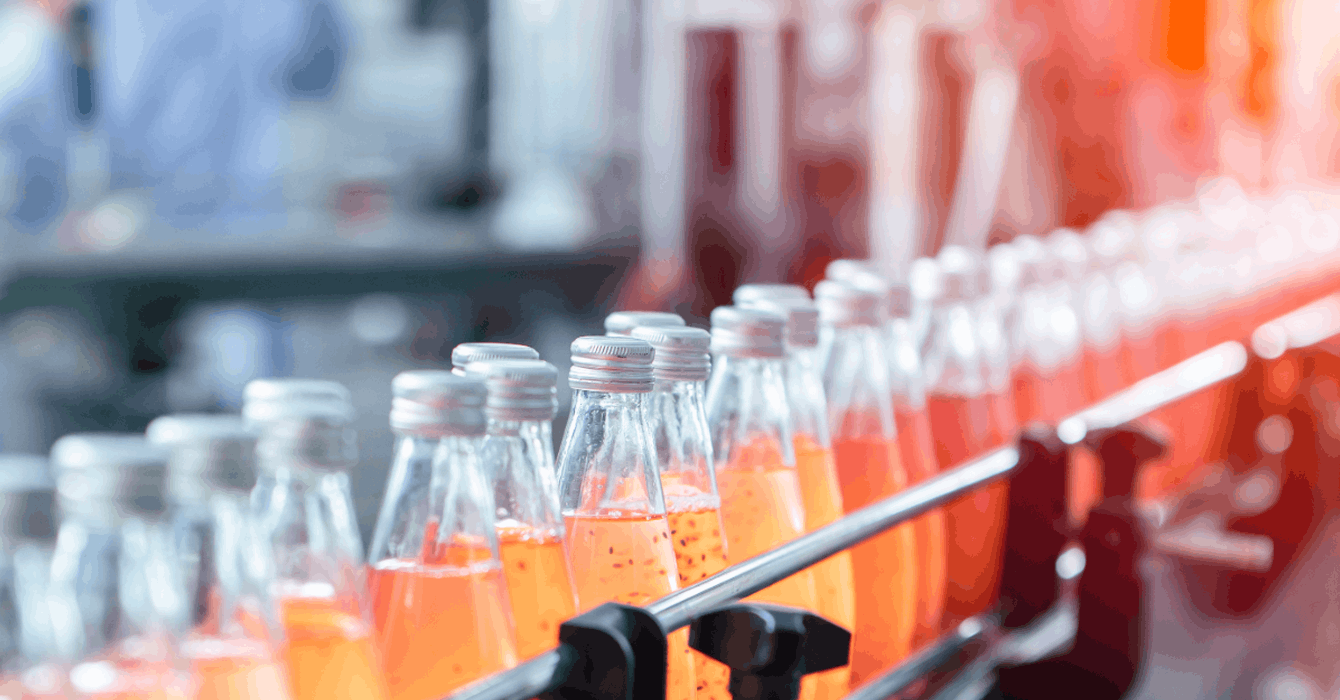
In today’s food and drink manufacturing landscape, energy is no longer just a line on the balance sheet, it’s a critical ingredient in achieving resilience, sustainability, and cost control.
As production demands intensify and pressure to cut carbon increases, manufacturers are recognising that traditional, one-off energy projects can’t keep up. An integrated energy strategy is now essential for building a more sustainable and scalable future.
The Industry’s Growing Energy Challenge
Rising energy volatility, the need for uninterrupted uptime, and increasingly stringent sustainability expectations are reshaping how manufacturers operate. Many businesses are discovering that the old approach, isolated upgrades or single-technology installations simply isn’t enough to manage the complexity of modern energy risk.
The Integrated Energy Strategy
Integrated energy planning starts with a granular understanding of how energy moves through a facility. Manufacturers are increasingly turning to sensors, sub-metering and energy audits to identify inefficiencies and uncover opportunities. This data foundation allows teams to define goals that matter on the factory floor, such as reducing energy cost per unit, improving uptime, or cutting CO₂ emissions per tonne of product.
These operationally framed goals secure better senior-level buy-in and tightly align energy performance with business outcomes.
Technology Choices in Practice: What Works Where?
The heart of an integrated strategy is a coordinated roadmap of technologies that complement, rather than compete with, one another.
Food and drink facilities are increasingly deploying:
-
Heat Pumps for low-temperature process heat
-
Combined Heat & Power (CHP) for high-temperature, consistent heat loads
-
Solar PV to manage peak demand and provide renewable power
-
Microgrids to overcome grid constraints and boost resilience
Together, these elements create a resilient, efficient energy ecosystem that supports round-the-clock production.
Smarter Financing
Innovative funding models help overcome budgetary constraints and accelerate implementation.
-
Power Purchase Agreements (PPAs) can fund new Solar PV installations, with no upfront capital. Solar PV is installed on underutilised roof space, ground space, or on a solar carport. You’ll just pay for the electricity generated by the system, at a kWh price typically lower than grid pricing, with no upfront capital expenditure.
-
Discount Energy Purchase agreements can be utilised to find new CHP installations – again, with no upfront costs, and a simply p/kWh ongoing fee.
Make Energy Your Competitive Advantage
For food and drink manufacturers navigating shrinking margins and increasing expectations, integrated energy strategies offer a powerful path forward.
By embedding energy into core business strategy, companies can:
-
Lower production costs
-
Improve operational resilience
-
Accelerate carbon-reduction targets
-
Future-proof against market and regulatory volatility
The message is clear: energy is no longer an overhead. It’s a lever of transformation and those who move early will have a significant edge.
No one builds, funds, operates and maintains energy solutions like Centrica Business Solutions. See how we could support your journey to net zero, with energy services that help you to balance the demands of planet and profit.
For more information about Centrica Business Solutions integrated energy solutions, visit centricabusinesssolutions.com