Home > Latest News > Food Safety and Hygiene > Metal control in global food and drink: magnets, metal detection and measurable verification
Joanne
3/25/2026 10:55:02 AM
4 mins read
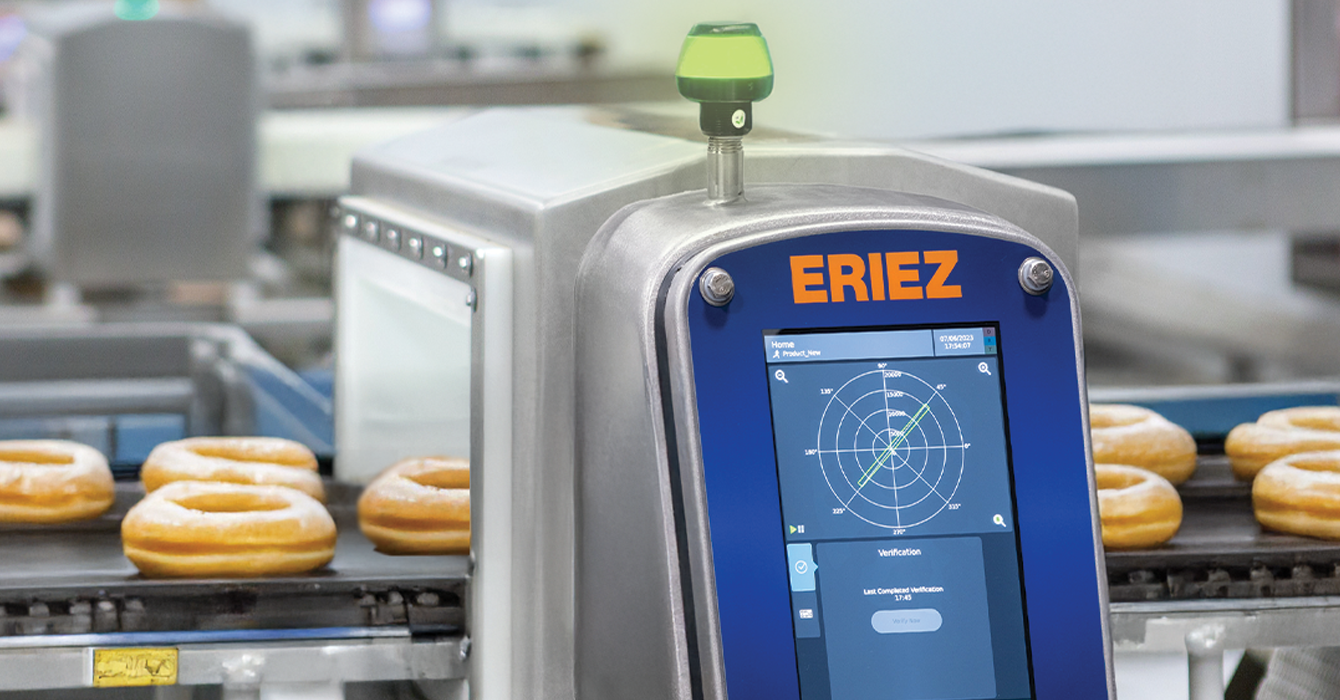
Metal control in food and drink manufacturing has moved from a checklist to a performance issue. Faster changeovers and sourcing mean more variables on every line. Customers increasingly expect evidence that controls are effective, not simply installed.
For plant engineers and procurement leads, that shift appears in search behaviour. Phrases such as magnetic separator UK, industrial metal detector and food metal detection systems often sit at the start of a buying journey. The same questions are being asked across multi-site groups operating in the UK, Germany, the USA, China, India, Brazil, Australia, Canada, South Africa, Mexico, Chile and Peru: where can metal enter the product, what should remove it early, and how will the plant prove control?
The real sources of metal and why “product effect” matters
Most incidents are not dramatic. They are the by-product of normal work: ingredient handling, abrasion, worn fasteners, cutting, packaging machinery wear, and maintenance activity. Risk rises during changeovers when product, pack format and line speed change together, and when the wrong setting creates nuisance rejects or inconsistent verification routines.
Recipe and process conditions change the stability of detection. Temperature, moisture and salt content influence how a system behaves. Packaging trends add further complexity: foils and metallised films can deliver shelf-life and sustainability benefits, but they can also influence inspection behaviour and the best location for a checkpoint.
The impacts are commercial too. Beyond recalls, metal control failures drive scrap, rework, complaints and short stoppages that erode OEE.
Light-touch compliance, heavy focus on performance
Regulation should be understood, but it rarely wins the budget on its own. In the UK, teams will recognise the Food Safety Act 1990, retained EU hygiene requirements, and HACCP. Many sites work to customer standards such as BRCGS. HSE expectations shape how equipment is installed, accessed and maintained. Internationally, frameworks vary, for example FSMA in the United States, but the practical expectation is similar: risk-based prevention backed by evidence.
Emerging technology trends shaping modern specifications
Connected verification and simpler operation
Inspection is becoming more data-led. Quality functions want event logs, reject counts and traceable verification checks, not anecdotes. Modern systems increasingly support clearer setup routines and reporting, making changeovers more repeatable. Connectivity is also rising in importance, as teams want alarms and events to feed plant dashboards. Upgrade paths help reduce disruption during modernisation projects.
Application-specific magnets, smarter maintenance
Magnetic separation is becoming more targeted. Teams specify strength, geometry, cleaning method and verification routines around the product and risk profile. This matters for powders, sticky foods, liquids and high-throughput bulk streams, where poor design increases contamination risk and downtime for cleaning.
Practical use cases across food, mining and recycling
On most food lines, staged control is the resilient pattern: prevention early, verification late. Magnets upstream remove ferrous fragments before they reach high-value equipment. Metal detection then verifies product integrity at a critical point, commonly end of line, and provides records that support audit confidence.
A plausible anonymised UK case shows the operational impact. A ready-meal line running frequent changeovers experienced nuisance rejects and short stops linked to unstable settings and inconsistent upstream magnet checks. The team introduced documented magnet verification, tightened changeover discipline, and improved end-of-line reporting. Over 12 weeks, false rejects fell by an estimated 28%, and metal-control-related downtime dropped by an estimated four hours per month. All figures are estimates.
Food teams can also borrow good practice from mining separation equipment and other bulk handling environments where tramp metal protection is routine. Staged protection and safe access for inspection become essential when line stops are expensive, and the mindset transfers well to large-scale ingredient handling such as sugar, salt and grain operations.
In recycling, purity drives price. Recycling magnetic separator strategies are used to recover value from mixed streams and improve output quality. While recycling is a different end-market, the discipline is familiar: reduce contamination sources, make quality measurable, and keep performance stable when inputs vary.
Conclusion
Across regions, the strongest programmes treat magnets, detection and verification routines as an engineered system. A practical next step is to benchmark current controls against a technical specification guide, align on performance targets and required evidence, then prioritise upgrades where risk and downtime costs are highest. A well-timed technical specification guide download, for example via a popup on an editorial page, is often the simplest way to begin without disrupting production.

Gina
4/3/2024 7:44:58 AM

Joanne
9/25/2025 12:35:41 PM

Rachel
2/3/2026 9:26:05 AM

Joanne
6/25/2025 8:08:18 AM
The industry leading food and drink manufacturing magazine